Comprehensive Guide to Grain Weevil Control for Farming Equipment and Crops
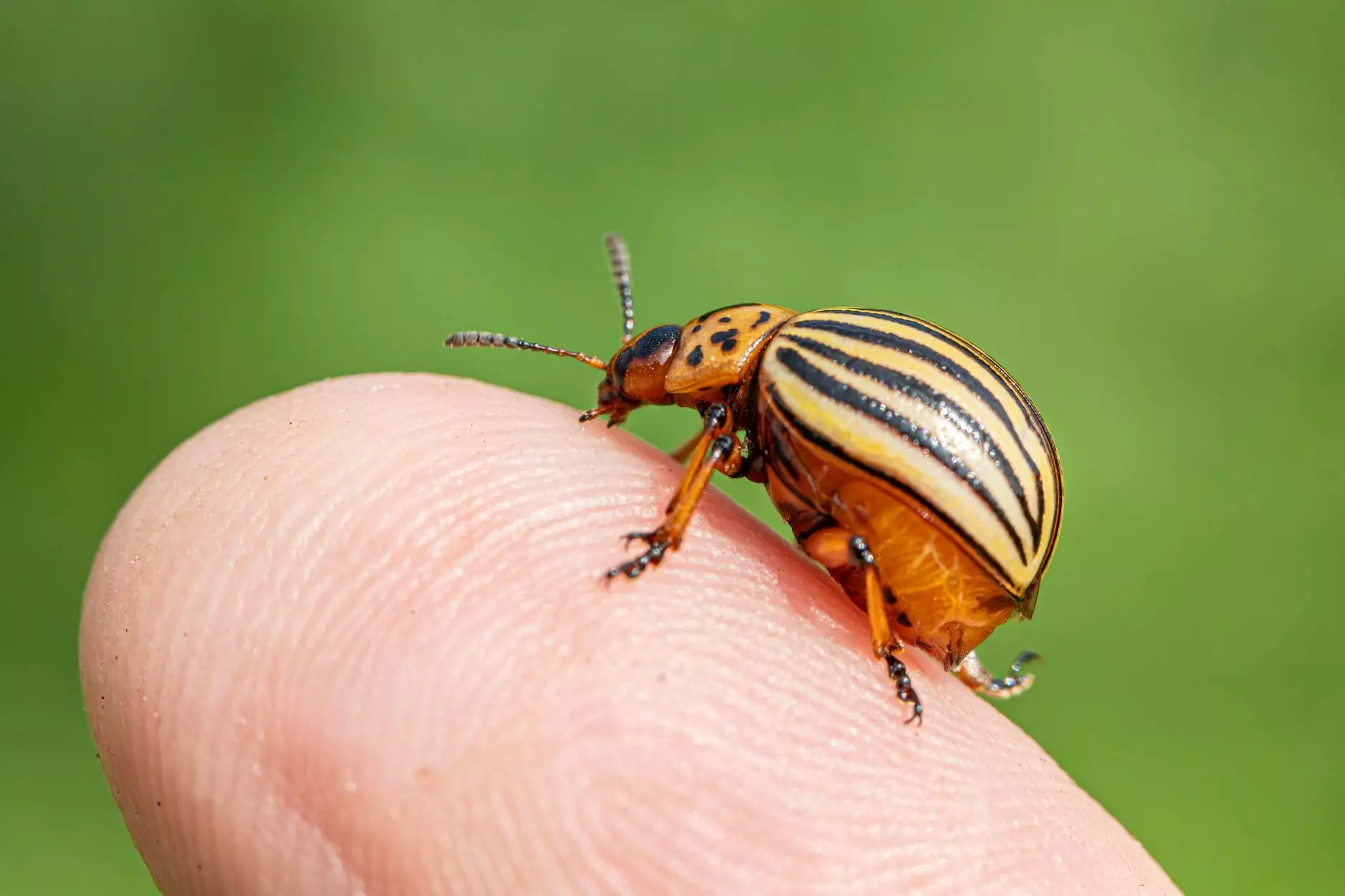
In the evolving landscape of modern agriculture, effective pest management remains a critical component of maintaining high yields and ensuring the longevity of farming equipment. Among the various pests that threaten stored grains and farm supplies, grain weevils stand out as especially persistent adversaries. Their ability to infest stored grains, weakening crop quality and causing significant economic losses underscores the necessity of implementing rigorous grain weevil control strategies.
Understanding Grain Weevils: An Ever-Present Threat to Stored Grains
Grain weevils, scientifically classified within the family Curculionidae, are tiny beetles notorious for infesting stored grains such as wheat, rice, barley, and corn. Their life cycle, which includes eggs, larva, pupa, and adult stages, makes them particularly resilient and challenging to eradicate once established.
Impacts of Grain Weevil Infestation:
- Loss of grain weight and nutritional value
- Contamination of storage facilities with insect residues and frass
- Reduced market value of crops and stored products
- Potential spread to new storage environments if not properly controlled
Recognizing the Signs of Grain Weevil Infestation
Timely detection is vital to prevent extensive damage. Signs include:
- Presence of tiny holes in grains
- Observation of adult weevils crawling in storage bins
- Fragments of shells and larval casings within the grain mass
- Unusual musty or moldy odors
Effective Methods for Grain Weevil Control in Farming
Controlling grain weevils involves multiple integrated strategies that focus on prevention, detection, and eradication. Here, we detail industry-proven practices:
1. Prevention Through Proper Storage Practices
Prevention is the first line of defense. Implementing best storage practices can drastically reduce the risk of infestation:
- Use Clean and Dry Storage Facilities: Ensuring that storage areas are free from residual grains, pests, and moisture is paramount. Moisture levels above 13% can promote weevil development.
- Maintain Optimal Temperature: Keep storage temperatures below 15°C (59°F) to inhibit the life cycle of weevils.
- Seal Storage Containers Properly: Use airtight bins and containers to prevent weevils from entering and establishing colonies.
- Implement Regular Inspection Routines: Frequently check stored grains, especially during high-risk periods, to catch early signs of infestation.
2. Use of Mechanical and Physical Pest Management Techniques
Physical controls can effectively reduce weevil populations:
- Freezing Infested Grains: Placing grains in freezing conditions (-20°C or -4°F) for at least 48 hours can kill all developmental stages of weevils.
- Heating and Drying: Raising temperature and humidity control can reduce pest activity.
- Metal Silos and Containers: Constructed with pest-resistant materials to prevent entry.
3. Chemical Control and Insecticide Applications
When infestations are detected, targeted chemical treatment may be necessary:
- Application of Fumigants: Conducted by licensed pest control professionals, fumigation with phosphine or sulfuryl fluoride can eradicate all stages of grain weevils.
- Residual Insecticides: Use of approved residual insecticides on storage surfaces can create a pest barrier.
- Follow Safety Guidelines: Proper handling, application, and ventilation are crucial to ensure safety and effectiveness.
4. Biological and Natural Control Options
Emerging eco-friendly strategies include:
- Use of Natural Predators: Parasitic wasps and predatory beetles can suppress weevil populations.
- Botanical Insecticides: Such as neem oil or diatomaceous earth, which act as desiccants or repellents for weevils.
Integrating Pest Management for Long-term Grain Weevil Control
To achieve sustainable weevil management, it is essential to adopt an integrated pest management (IPM) approach combining prevention, monitoring, mechanical, chemical, and biological strategies. This holistic approach not only eradicates existing infestations but also minimizes the risk of future invasions, protecting crop profitability and equipment integrity.
Role of Farming Equipment Maintenance in Preventing Pest Infestations
At TSGC Inc., we understand that robust farming equipment maintenance contributes significantly to pest prevention, including grain weevil control. Properly maintained combines, harvesters, and storage machinery reduce residual grain messes, moisture retention, and structural damage that could facilitate pest colonization.
Why Equipment Maintenance Matters
- Reduces Grain Residue and Spoilage: Clean equipment prevents leftover grain from becoming breeding grounds for pests.
- Prevents Structural Damage: Cracks and broken seals in bins and storage units create entry points for pests.
- Ensures Effective Cleaning and Sanitation: Routine maintenance enables thorough cleaning, reducing pest habitat.
Benefits of Professional Farming Equipment Repair and Pest Control Services
Partnering with experienced service providers like TSGC Inc. ensures:
- Expert assessment of pest risks
- Customized pest management plans
- Safe and effective treatment applications
- Timely equipment repairs to facilitate pest prevention
- Ongoing monitoring and compliance with safety standards
Why Choose TSGC Inc. for Your Farming Equipment Repair & Pest Control Needs
TSGC Inc. offers unparalleled expertise in both farm equipment repair and integrated pest management, including specialized grain weevil control techniques. Our dedicated team of professionals understands the unique challenges faced by modern farmers and provides tailored solutions that enhance productivity, protect investments, and ensure long-term pest control success.
Conclusion: Cultivating a Pest-Free, Efficient Farming Environment
Achieving effective grain weevil control requires a comprehensive understanding of pest biology, vigilant monitoring, and the implementation of combined preventative and eradication techniques. Maintenance of farming equipment plays a critical role in creating conditions that deter pest infestations. By partnering with trusted experts like TSGC Inc., farmers can safeguard their crops, prolong equipment lifespan, and maximize yields.
Whether you’re managing large-scale grain storage or maintaining efficient farming operations, adopting best practices for pest control and equipment care is essential. With a proactive approach and professional support, your farm can flourish in a pest-free environment, ensuring profitable and sustainable agricultural success for years to come.


