Understanding the Pet Snake Cost: Your Ultimate Guide to Reptile Investment
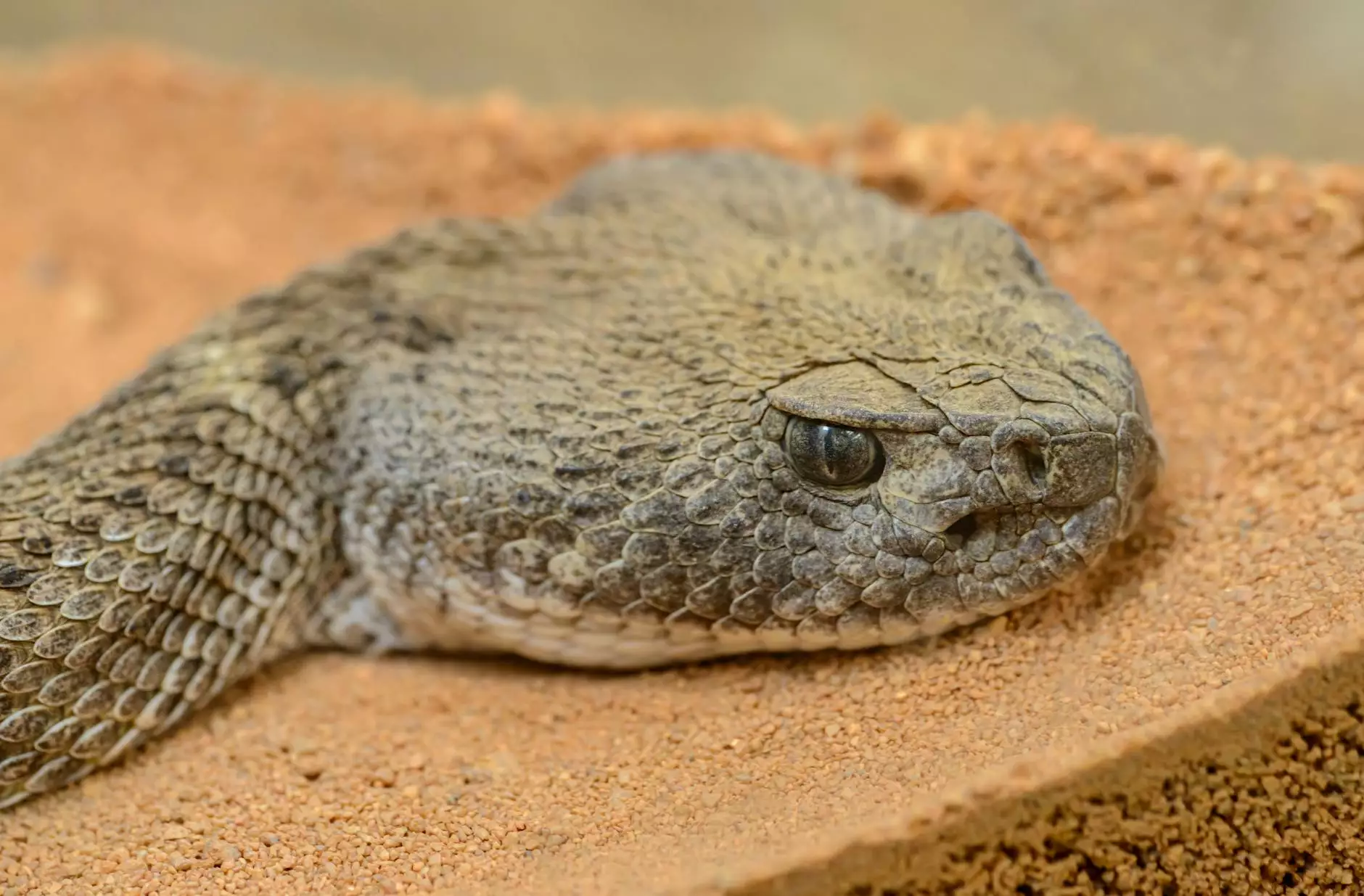
Owning a pet snake can be an incredibly rewarding experience, offering companionship, beauty, and unique character traits. However, before bringing this fascinating creature into your home, it's crucial to understand the pet snake cost involved in acquiring and caring for your slithering friend. This comprehensive guide aims to break down all the expenses associated with pet snakes, drawing from expert insights from reputable pet breeders and reptile shops. Whether you're a seasoned reptile enthusiast or a first-time owner, knowing the financial considerations ensures you provide the best environment and care for your new pet.
Why Understanding the Pet Snake Cost Is Essential
Budget planning for your pet snake is more than just buying the animal itself. It involves assessing the initial setup costs, ongoing maintenance, and emergency expenses. This knowledge not only helps you prepare financially but also guarantees that your pet receives proper nutrition, suitable habitat, and medical care throughout its life.
Neglecting these financial aspects could lead to inadequate care, stress for the animal, or unexpected expenses that disrupt your pet ownership journey. Therefore, being well-informed about the pet snake cost sets a solid foundation for a happy, healthy relationship with your reptilian companion.
Initial Purchase Expenses: How Much Does a Pet Snake Cost?
The most obvious component of the pet snake cost is the price of the snake itself. Prices vary significantly based on the species, age, coloration, and rarity. Reptile shops and specialized pet breeders offer a range of snakes suitable for beginners and experienced owners alike.
- Common beginner snakes: Ball Pythons, Cornsnakes, and Milk Snakes typically range from $50 to $200.
- Rare or exotic species: More unique snakes like Amazon Tree Boas, Carpet Pythons, or Reticulated Pythons can cost $300 to over $1,000.
- Age considerations: Juvenile snakes tend to be less expensive than adult specimens, though juveniles may require more care and patience as they grow.
When purchasing from a reputable pet breeder or reptile shop, ensure that the snake is healthy, correctly sexed, and comes with the necessary documentation or guarantees. Prices are not only a reflection of animal rarity but also of the quality and health of the snake.
Cost of Necessary Habitat and Accessories
Creating a suitable environment is critical for the longevity and well-being of your pet snake. The habitat, along with accessories, constitutes a significant part of the pet snake cost during setup.
Enclosure
A proper enclosure, such as a terrarium or vivarium, provides the necessary space and safety for your snake. The cost depends on size, material, and design:
- Basic glass terrarium: $100 - $300 for a suitable size for most beginner snakes.
- Custom or high-end enclosures: Can go beyond $500, especially for larger or specialized habitats.
Heating and Lighting Equipment
Snakes are ectothermic animals, relying on external heat sources to regulate their body temperature. Proper heating equipment, such as heat mats, ceramic heaters, and thermostats, are essential:
- Heating accessories: $50 - $150.
- Lighting (if needed): $20 - $60, depending on specific species requirements.
Substrates and Decorations
Substrate options include aspen bedding, reptile carpet, or coconut husk, usually costing between $10 and $50 per bag or roll. Decorations such as hiding spots, branches, and foliage not only enrich the habitat but also cost approximately $20 - $80 per set.
Ongoing Care Costs: Food, Health, and Maintenance
The pet snake cost doesn't end with acquisition. Maintaining optimal health and environment involves ongoing expenses that must be carefully budgeted for.
Food Expenses
Most pet snakes eat frozen/thawed rodents, such as mice or rats. The cost varies based on the snake's size and diet frequency:
- Small snakes (e.g., corn snakes): $1 - $5 per feeding, with feedings roughly once a week.
- Larger snakes (e.g., reticulated pythons): $10 - $50 for larger prey, with monthly or bi-weekly feeding schedules.
Healthcare and Veterinary Costs
Regular check-ups, parasite screenings, and emergency healthcare are crucial. Veterinary visits specialized in reptiles can cost between $70 and $200 per visit. Also, factor in costs for medications, supplements, and preventive care.
It’s wise to have an emergency fund of at least $200 - $500 for unexpected health issues.
Maintenance and Supplies
Ongoing expenses include replacing substrate, cleaning supplies, and replacement or upgrade of habitat accessories, generally costing about $50 - $150 annually.
Additional Costs: Toys, Enrichment and Long-Term Investment
Snakes benefit from environmental enrichment such as climbing structures and hides which can range from inexpensive DIY setups to premium commercial products. These enhance your pet’s habitat and improve its quality of life, though the costs are manageable, averaging about $20 - $100.
Long-term costs also include potential upgrades to your habitat as your snake grows or as you upgrade your setup for better health and comfort.
How to Minimize the Pet Snake Cost Without Compromising Quality
While owning a pet snake involves expenses, strategic choices can help you keep costs reasonable while ensuring your pet's health and happiness:
- Buy from reputable breeders or stores: Avoid cheap, unverified sources that may sell sick animals, leading to higher vet bills.
- Opt for species with lower care requirements: Beginners often prefer cornsnakes or ball pythons for their ease of care and affordability.
- DIY habitat accessories: Creating hides or climbing branches from safe household materials reduces expenses.
- Buy in bulk: Purchase rodent pre-killed food and supplies in larger quantities to save money over time.
- Regular health checks: Preventative care minimizes costly medical treatments later.
Conclusion: A Wise Investment in Your Reptile’s Future
Understanding the pet snake cost is fundamental to being a responsible owner. From initial purchase and habitat setup to ongoing maintenance, each element plays a critical role in ensuring your snake’s health and happiness. By budgeting wisely and choosing quality sources like Genuine Australia Reptiles, you can enjoy many years of rewarding companionship with your pet snake.
Remember, owning a reptile is a long-term commitment that rewards patience, dedication, and love. With proper planning and care, your investment in a pet snake will bring joy, fascination, and natural beauty into your life for years to come.