Unleashing Adventure: Understanding Off Road Suspension for Your Vehicle
Off road suspension is an essential component for any vehicle designed to tackle rough terrains. Whether you're an off-roading enthusiast or a weekend warrior seeking adventure, investing in high-quality suspension can significantly enhance your driving experience. In this article, we will delve deep into the world of off road suspension, uncovering its importance, various types, benefits, and how it can transform your vehicle.
1. Why is Off Road Suspension Important?
Off road suspension plays a vital role in the performance of vehicles that traverse challenging landscapes. The suspension system is responsible for:
- Comfort: It absorbs shocks from uneven surfaces, ensuring a smoother ride.
- Control: Improved handling and steering response help maintain vehicle stability over rough terrain.
- Terrain Flexibility: Allows the vehicle to adapt and maintain contact with the ground, which is crucial for off-road driving.
- Safety: A well-designed suspension system minimizes the risk of accidents by enhancing traction and stability.
2. Different Types of Off Road Suspension Systems
There are several types of off road suspension systems designed to cater to various driving needs. Here’s a detailed look at some popular choices:
2.1 Leaf Spring Suspension
Traditionally found in trucks and larger vehicles, the leaf spring suspension consists of multiple metal plates (leafs) that work together to support heavy loads. It excels in durability and is ideal for vehicles that require a high load capacity.
2.2 Coil Spring Suspension
Coil spring suspensions provide better ride comfort and flexibility compared to leaf springs. They are more prevalent in modern vehicles and can be adjusted for different driving conditions, offering improved performance during off-road adventures.
2.3 Air Suspension
Air suspension systems use compressed air to support the weight of the vehicle, allowing for adjustable ride height. This capability is particularly beneficial for off-road conditions where additional ground clearance is necessary to navigate obstacles.
2.4 Independent Suspension
Unlike traditional systems where both wheels on an axle move together, independent suspension allows each wheel to move separately. This leads to better handling, stability, and traction, making it a popular choice for off-road vehicles.
3. Benefits of Upgrading Your Off Road Suspension
Upgrading your off road suspension system can provide numerous advantages. Let’s explore some key benefits in detail:
3.1 Enhanced Ride Quality
A high-quality suspension system dramatically improves the overall ride quality. It absorbs bumps and unevenness from the ground, leading to a smoother driving experience. Whether scale rocky trails or muddy routes, an upgraded suspension can effectively dampen shocks.
3.2 Improved Ground Clearance
Many off-road-specific suspension systems offer greater ground clearance, allowing vehicles to navigate obstacles such as boulders, deep ruts, and uneven terrain confidently. This enhancement reduces the risk of undercarriage damage.
3.3 Better Wheel Travel
Increased wheel travel means that your vehicle's tires can extend further without losing contact with the ground. This feature is crucial for maintaining traction and stability on rugged landscapes.
3.4 Adjustability
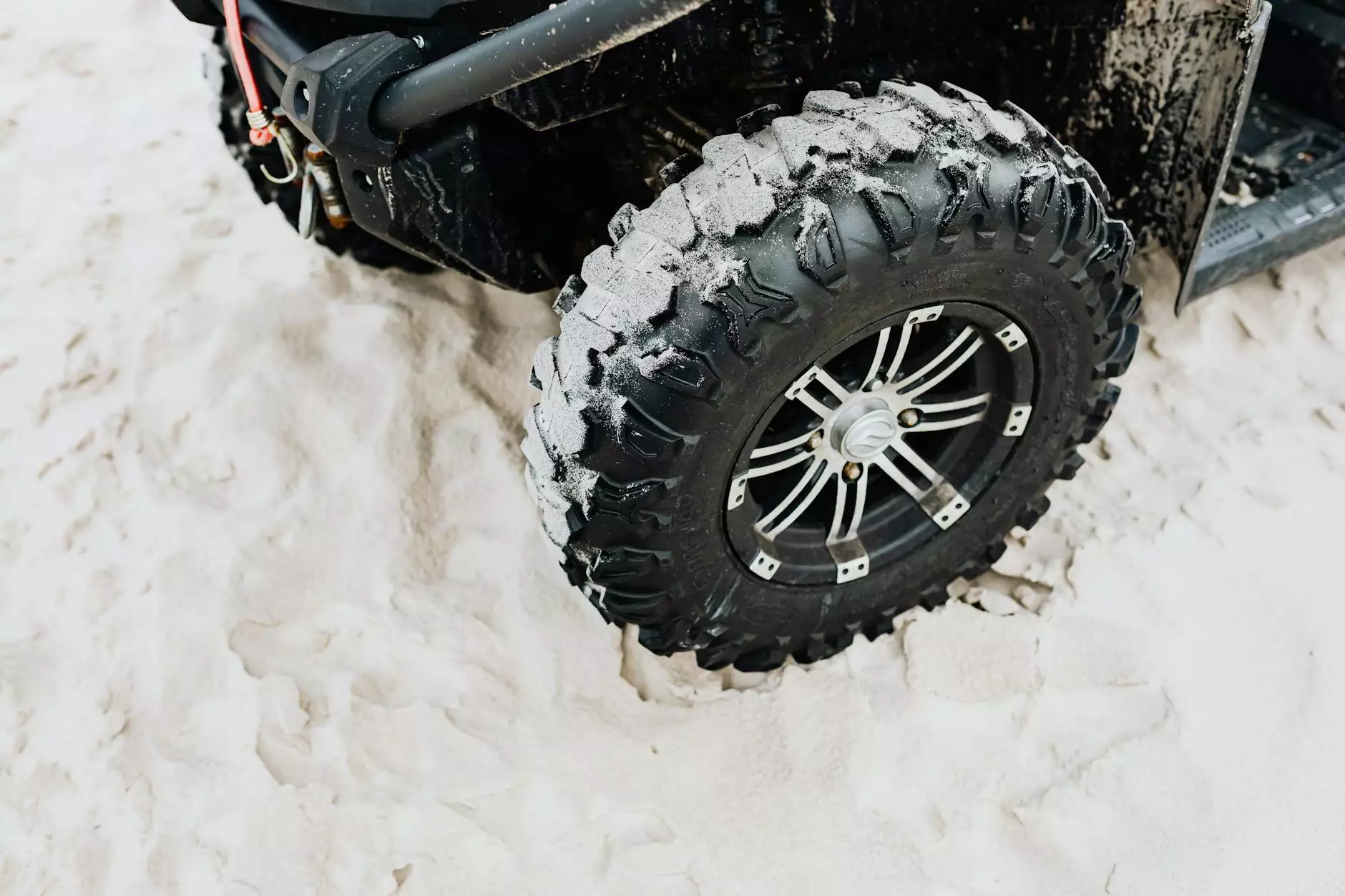
Many modern off road suspension systems allow for adjustability, meaning drivers can optimize their vehicles for specific conditions. You might want a firmer suspension for technical trails or a softer setup for cruising over sandy terrain.
3.5 Increased Towing Capacity
Upgrading your suspension may also improve your vehicle's towing capabilities. A more robust suspension can effectively support heavier loads without compromising ride quality or handling.
4. Choosing the Right Off Road Suspension for Your Vehicle
Selecting the perfect off road suspension system involves considering several factors:
4.1 Vehicle Type
Different vehicles require different types of suspension systems. Evaluate whether your vehicle is a truck, SUV, or a specialized off-roader to find a suitable match.
4.2 Intended Use
Consider how you plan to use your vehicle. Will it mainly be for rock crawling, dune bashing, or general outdoor exploration? Your intended use will determine the necessary features of your suspension system.
4.3 Budget Considerations
Off road suspension systems can vary significantly in price. Set a realistic budget and consider how much you are willing to invest in upgrades. Remember, quality can make a considerable difference.
4.4 Brand Reputation
Research trusted brands known for producing high-quality off road suspension systems. Reading reviews and testimonials can help you make an informed choice.
5. Installation Tips for Off Road Suspension Systems
Installing a new suspension system can be a complex process. Here are some tips to ensure proper installation:
5.1 Gather Necessary Tools
Before starting, gather all necessary tools. Common tools needed include:
- Wrenches
- Jack and jack stands
- Sockets
- Torque wrench
5.2 Follow Manufacturer Instructions
Always refer to the manufacturer’s instructions. Each suspension kit can have specific installation requirements that must be adhered to for optimal performance.
5.3 Check for Compatibility
Ensure that the suspension system you're installing is compatible with your vehicle model and year. Mismatched parts can lead to poor performance and may cause damage.
5.4 Seek Professional Help
If you're unsure about the process, consider hiring a professional mechanic. A well-installed suspension system is crucial for safe and effective off-road driving.
6. Maintaining Your Off Road Suspension
To keep your suspension system functioning optimally, regular maintenance is essential. Here are key maintenance practices:
6.1 Inspect Regularly
It's important to conduct regular inspections, looking out for wear and tear, damaged components, or rust. Early detection can prevent costly repairs.
6.2 Clean Your Suspension System
After an off-road adventure, ensure you clean any mud, dirt, or debris from the suspension components. This prevents corrosion and keeps parts functioning smoothly.
6.3 Check for Leaks
Inspect shocks and struts for oil leaks, which can indicate a failing component. Replace any damaged parts promptly to maintain performance.
6.4 Adjust Settings As Needed
If you’ve installed an adjustable system, make sure to tweak the settings according to the terrain you’re driving on. This will enhance your vehicle's performance significantly.
7. Conclusion
Investing in a top-notch off road suspension system is paramount for any enthusiast looking to enhance their off-road experience. By understanding the importance of suspension, exploring various types, and considering your vehicle's specific needs, you can make informed decisions that elevate your adventures. Remember, proper installation and ongoing maintenance are crucial for ensuring that your suspension system works effectively, keeping you safe and comfortable on your journeys into the wild.
Ready to upgrade your off road suspension? Visit offroad-zone.com for a wide selection of automotive parts and supplies tailored for off-road enthusiasts. Don’t miss out on the adventure waiting for you!