Exploring the Importance of Prototype Molding in Modern Manufacturing
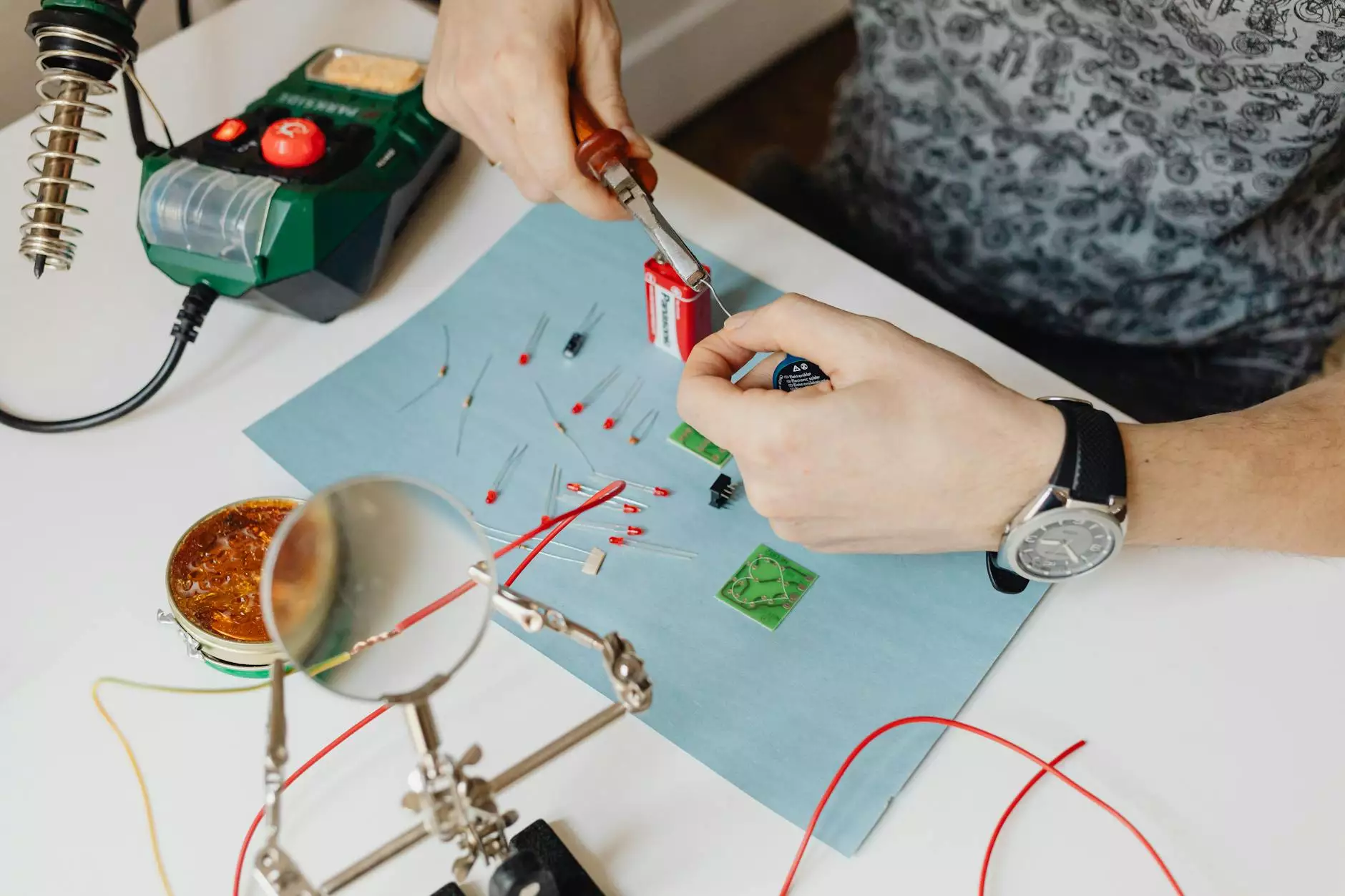
In today's fast-paced industrial landscape, the need for innovation and efficiency has propelled prototype molding to the forefront of manufacturing processes. This method provides manufacturers with the ability to create intricate parts and components swiftly and accurately, making it an indispensable tool in industries ranging from automotive to aerospace. At deepmould.net, we specialize in providing advanced solutions in the realm of metal fabricators, leveraging the power of prototype molding to streamline production and enhance product quality.
What is Prototype Molding?
Prototype molding is a manufacturing process that involves creating a detailed model or prototype of a part or assembly. This process is crucial in product development, as it allows designers and engineers to test and tweak designs before full-scale production. The prototypes can be made from various materials, including metals, plastics, and composites, and are typically used in the following contexts:
- Design Validation: Verifying the design's aesthetics and functionality.
- Testing: Assessing the prototype under real-world conditions.
- Manufacturing Feedback: Gathering insights on potential manufacturing challenges.
The Benefits of Using Prototype Molding
The adoption of prototype molding offers numerous advantages for businesses seeking to optimize their manufacturing processes. Here are some of the key benefits:
1. Cost Efficiency
Creating a prototype allows companies to identify design flaws and eliminate costly errors before mass production begins. This proactive approach can save significant amounts of money in material costs and labor.
2. Faster Time-to-Market
With the ability to rapidly produce and iterate prototypes, businesses can bring their products to market more quickly. This speed is critical in highly competitive fields where time is of the essence.
3. Enhanced Product Quality
By testing prototypes, manufacturers can ensure that the final products meet the highest quality standards, thereby enhancing customer satisfaction and brand reputation.
4. Better Collaboration
Prototypes serve as a tangible reference that improves communication among team members, stakeholders, and clients. This shared understanding facilitates better collaboration and decision-making.
Process of Prototype Molding
The prototype molding process can be broken down into several key stages:
1. Concept Development
Initially, the design team conceptualizes the product. This phase includes brainstorming sessions and the exploration of various design options using CAD software.
2. Material Selection
Choosing the right material is crucial, as it affects the prototype's performance and functionality. Factors such as strength, weight, and cost come into play during this selection process.
3. Prototype Fabrication
Using techniques like CNC machining, 3D printing, or injection molding, the prototype is fabricated. Each method has its own advantages, depending on the design and material used.
4. Testing and Evaluation
Once the prototype is produced, it undergoes rigorous testing to identify any issues. Feedback from this phase is critical for refining the design.
5. Final Adjustments
The design is adjusted based on testing results, ensuring that the final product will meet all required specifications and standards.
Applications of Prototype Molding in Metal Fabrication
In the realm of metal fabrication, prototype molding has numerous applications, including:
- Aerospace Components: High precision and lightweight components for aircraft.
- Automotive Parts: Custom parts that improve performance and efficiency.
- Industrial Equipment: Prototypes for heavy machinery and tools, ensuring durability.
- Consumer Goods: Developing intricate designs for electronics and household items.
Choosing the Right Partner for Prototype Molding
Selecting a reliable partner for prototype molding and metal fabrication can significantly impact your product’s success. Here are some factors to consider:
1. Experience and Expertise
Working with a partner that has extensive experience in prototype molding ensures you are leveraging best practices. Look for companies with a proven track record in your industry.
2. Technology and Equipment
The latest technology and equipment can enhance efficiency and accuracy. A partner who invests in advanced machinery will likely produce better quality prototypes.
3. Customer Support and Collaboration
Effective communication and collaboration are vital. Choose a partner that prioritizes customer support and is willing to work closely with your team throughout the process.
Future Trends in Prototype Molding
The future of prototype molding is promising, with several trends shaping its evolution:
1. Increased Automation
Automation is set to revolutionize the manufacturing landscape. Smart factories utilizing automation can produce prototypes more quickly and with higher precision.
2. Enhanced 3D Printing Technologies
Advances in 3D printing technology are making it possible to create more complex and sophisticated prototypes, further enhancing design capabilities.
3. Sustainable Practices
As industries focus on sustainability, using eco-friendly materials and energy-efficient processes in prototype molding is becoming increasingly important.
Conclusion
In conclusion, prototype molding is a vital component of modern manufacturing, offering numerous benefits including cost savings, enhanced product quality, and faster time-to-market. At deepmould.net, we harness the power of cutting-edge technology and expert craftsmanship in metal fabrication to bring your ideas to life. Embracing prototype molding not only elevates your product development process but also positions your business for success in an ever-competitive marketplace.
The importance of this powerful tool cannot be overstated as industries continue to evolve. If you are looking to innovate and improve your manufacturing capabilities, consider integrating prototype molding into your operations today!