Understanding Hysteroscopy in New York
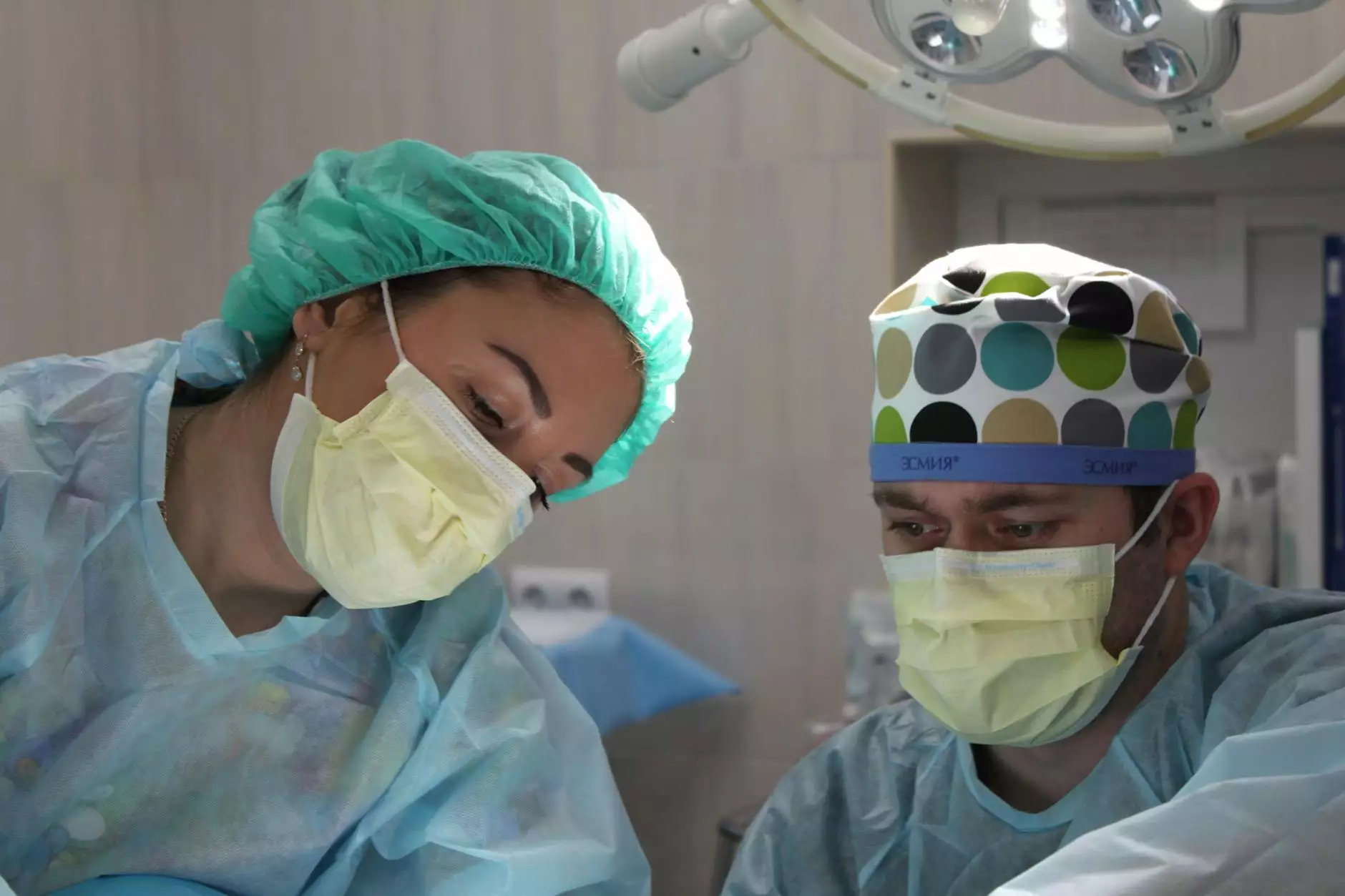
Hysteroscopy is a crucial medical procedure that allows doctors to examine the inside of the uterus. This minimally invasive technique has gained popularity due to its diagnostic potential and therapeutic capabilities. If you're seeking hysteroscopy in New York, this article will provide you with all the necessary information regarding the procedure, its benefits, and more.
What is Hysteroscopy?
Hysteroscopy involves inserting a thin, lighted tube called a hysteroscope through the vagina and cervix into the uterus. This allows the physician to view and evaluate the uterine lining visually. It is used for various reasons including:
- Diagnosing uterine abnormalities
- Investigating abnormal bleeding
- Removing polyps and fibroids
- Performing endometrial biopsies
- Diagnosing uterine septum or any structural abnormalities
Types of Hysteroscopy
There are two primary types of hysteroscopy: diagnostic hysteroscopy and operational hysteroscopy. Understanding the differences between these two can help you make more informed decisions.
Diagnostic Hysteroscopy
This is performed to diagnose the cause of abnormal bleeding, to check for fibroids, polyps, or any unusual growth within the uterus. It is a simple and quick procedure, often performed in an office setting without the need for general anesthesia.
Operational Hysteroscopy
This is a more complex procedure that involves treating the diagnosed uterine conditions. Surgical instruments can be inserted through the hysteroscope to remove polyps, fibroids, or even to correct structural problems such as a uterine septum. It is typically performed in a surgical center or hospital under anesthesia.
Benefits of Hysteroscopy
Choosing to undergo hysteroscopy in New York offers numerous benefits, both diagnostic and therapeutic. Some of the key advantages include:
- Minimally Invasive: Hysteroscopy is less invasive compared to traditional surgical procedures. This means less scarring, reduced pain, and quicker recovery times.
- Accurate Diagnosis: The ability to visualize the uterine cavity allows for more accurate diagnosis of conditions that may cause pelvic pain or abnormal bleeding.
- Immediate Treatment: Many conditions found during hysteroscopy can be treated immediately, thus eliminating the need for a second procedure.
- Short Recovery Time: Most patients can return to their normal activities within a day or two, making this a convenient option for busy individuals.
Who Should Consider Hysteroscopy?
Women experiencing any of the following symptoms may benefit from a hysteroscopy:
- Irregular menstrual cycles
- Heavy menstrual bleeding
- Pelvic pain or discomfort
- Recurrent miscarriage
- Diagnosis of uterine conditions during routine examination
Preparing for Hysteroscopy
Preparation is key when considering hysteroscopy in New York. Your healthcare provider will give you specific instructions based on your overall health and the reason for the procedure. Here are common preparations:
- Medical History Review: Inform your doctor of your medical history, allergies, and current medications.
- Pre-Procedure Tests: You may need to undergo blood tests or imaging studies.
- Fasting Requirements: Generally, you might be asked to refrain from eating or drinking before the procedure if anesthesia is required.
The Procedure: What to Expect
Many patients have questions about what happens during a hysteroscopy. Understanding the procedure can help ease any anxiety you may have. Here’s how the process generally unfolds:
- Administration of Anesthesia: Depending on the complexity of the procedure, either local or general anesthesia will be used.
- Insertion of Hysteroscope: The doctor will gently insert the hysteroscope through the vagina and cervix into the uterus.
- Fluid Distension: A sterile fluid is often introduced to expand the uterine cavity for better visibility.
- Examination and Treatment: The doctor will examine the uterine lining and, if necessary, perform any required surgical intervention.
- Recovery: Post-procedure monitoring will follow, and you will usually be able to go home the same day.
Post-Hysteroscopy Care
After undergoing hysteroscopy in New York, it’s essential to follow post-procedure care instructions provided by your doctor. Common recommendations include:
- Resting for the first 24 hours
- Avoiding sexual intercourse for a specified period
- Monitoring for any unusual symptoms, such as fever or heavier-than-normal bleeding
- Arranging a follow-up appointment to discuss the findings and any further treatment needed
Why Choose Dr. Seckin for Hysteroscopy in New York?
When searching for a qualified provider for hysteroscopy in New York, Dr. Seckin stands out as a top choice. With extensive experience and a patient-centered approach, Dr. Seckin has been a trusted name among women seeking gynecological care. Key reasons to choose Dr. Seckin include:
- Expertise and Experience: Dr. Seckin specializes in gynecological health and has performed numerous hysteroscopies, ensuring patient safety and satisfaction.
- Personalized Care: Every patient receives individualized attention, with treatment plans customized to meet their unique health needs.
- State-of-the-Art Facilities: The clinic is equipped with the latest technology to perform hysteroscopy safely and effectively.
- Comprehensive Follow-up: Dr. Seckin provides thorough aftercare to monitor recovery and addresses any concerns that may arise.
Conclusion
In conclusion, hysteroscopy is an invaluable procedure in the field of gynecology that offers significant benefits for the diagnosis and treatment of uterine conditions. If you’re considering hysteroscopy in New York, consulting with a skilled physician such as Dr. Seckin can ensure you receive the best care possible. To learn more about this procedure or to schedule a consultation, visit drseckin.com today.
hysteroscopy new york