The Ultimate Guide to Finding the Best Firewood
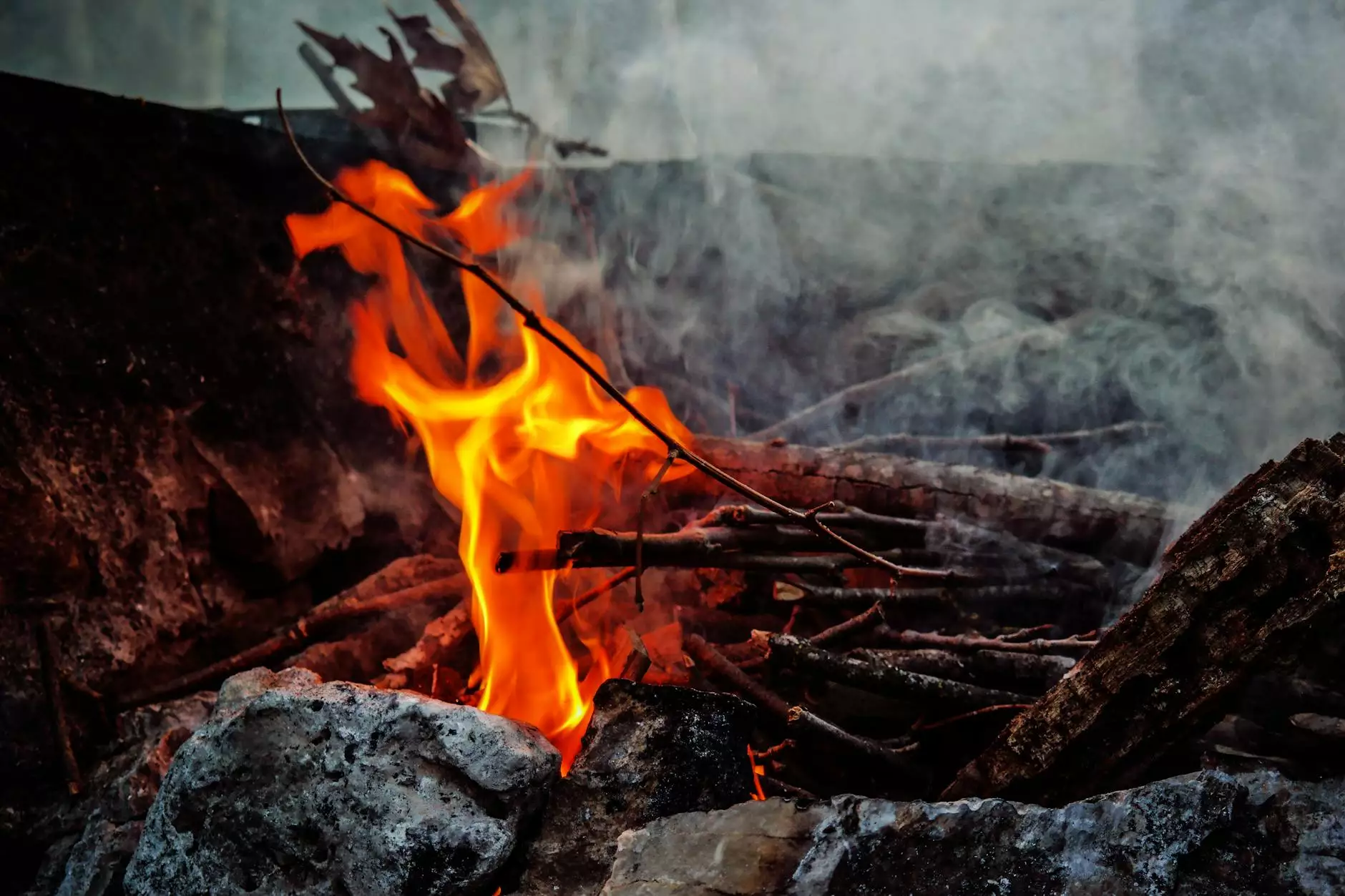
When the temperatures drop and the nights get chilly, there's nothing quite like the warmth and ambiance of a crackling fire. Whether you're using a fireplace, fire pit, or wood stove, the choice of wood you use can significantly affect your experience. This comprehensive guide explores everything you need to know about the best firewood, ensuring you stay warm and cozy throughout the winter.
Why Choosing the Right Firewood Matters
Firewood is not just a source of heat; it's an integral part of cozy gatherings, outdoor adventures, and even culinary experiences. Here are a few reasons why selecting the best firewood is crucial:
- Efficiency: Different types of wood have varying burn rates and heat outputs. Using the right kind of firewood can maximize your heating efficiency.
- Flavor: If you're using wood for smoking or grilling, the type of wood can add unique flavors to your food.
- Smoke Production: Some woods create more smoke than others; less smoke means a cleaner burn and safer indoor air quality.
- Burn Duration: Hardwoods generally burn longer than softwoods, making them ideal for extended burning scenarios.
Types of Firewood
Understanding the different types of firewood is essential for making an informed choice. Below are the two main categories:
1. Hardwoods
Hardwoods are known for their dense structure and high heat output. They typically burn longer and produce less creosote, making them a popular choice for heating homes.
- Oak: One of the most popular choices, oak has a slow burn rate and produces a lot of heat. It also adds a rich flavor when used for cooking.
- Maple: Maple burns hot and provides a pleasant aroma. It's perfect for fireplaces and wood stoves.
- Hickory: This type of wood provides high heat and a distinctive flavor, making it an excellent choice for grilling.
- Cherry: Known for its beautiful aroma and moderate heat, cherry wood is fantastic for cooking and adds a mild sweetness to dishes.
2. Softwoods
Softwoods ignite quickly and are often easier to split, but they burn faster and may produce more smoke and creosote. Here are a few common types of softwoods:
- Pine: Burns quickly and can produce lots of smoke, but can be great for kindling.
- Cedar: Known for its pleasant aroma, cedar burns quickly and is often used in outdoor fire pits.
- Spruce: Like pine, spruce ignites easily but doesn’t produce as much heat.
Factors to Consider When Selecting Firewood
To choose the best firewood for your needs, consider the following factors:
1. Moisture Content
The moisture content of firewood is a crucial factor. Ideally, firewood should have a moisture content of less than 20%. Seasoned firewood has been dried and is ready to burn efficiently:
- Unseasoned Wood: Contains more moisture and can produce excessive smoke and soot.
- Seasoned Wood: Dried for at least six months to a year; burns hotter and produces less smoke.
2. Size and Splitting
Firewood comes in various sizes. Ensure the pieces fit your fireplace or stove. Splitting wood into manageable sizes can also improve its burn quality.
3. Availability and Location
When sourcing firewood, consider local availability. Purchasing from a local supplier, such as Stary Timbers, can ensure quality and reduce transportation costs.
Where to Find the Best Firewood
Finding quality firewood is easier when you know where to look. Here are some great options:
- Local Timber Merchants: Suppliers like Stary Timbers offer various types of seasoned hardwood and softwood, ensuring you find quality firewood tailored to your needs.
- Online Suppliers: Many websites specialize in selling firewood with delivery options, making purchasing convenient.
- Local Farms: Some farms sell firewood directly to consumers, often at competitive prices.
- Tree Removal Services: After tree removals, many services sell cut wood at a lower cost.
Storing Firewood Correctly
How you store your firewood can affect its performance. Follow these tips to ensure your firewood is kept in optimal condition:
- Dry and Elevated: Store firewood off the ground to prevent moisture absorption. Use pallets or platforms.
- Cover It: Keep your firewood covered to protect it from rain, but ensure there's airflow to prevent moisture buildup.
- Stacking: Stack wood in a way that allows air circulation, such as in a crisscross pattern.
Using Firewood Responsibly
Using firewood sustainably is essential for our environment:
- Buy Local: Purchasing firewood from local sources supports the community and reduces transportation emissions.
- Choose Sustainable Species: Opt for firewood from sustainably managed forests.
- Limit Usage: Be mindful of how much wood you are burning and seek to minimize waste.
Conclusion
Choosing the best firewood is vital for enjoying the warmth and motivation of a good fire. By understanding the different types of firewood, considering key factors, and sourcing responsibly, you can enhance your fire experience significantly. For top-quality firewood, look no further than Stary Timbers, your premier supplier of timber and firewood. Stay comfortable, safe, and enjoy the rich experience that firewood has to offer this season!