The Comprehensive Guide to Horse Injections
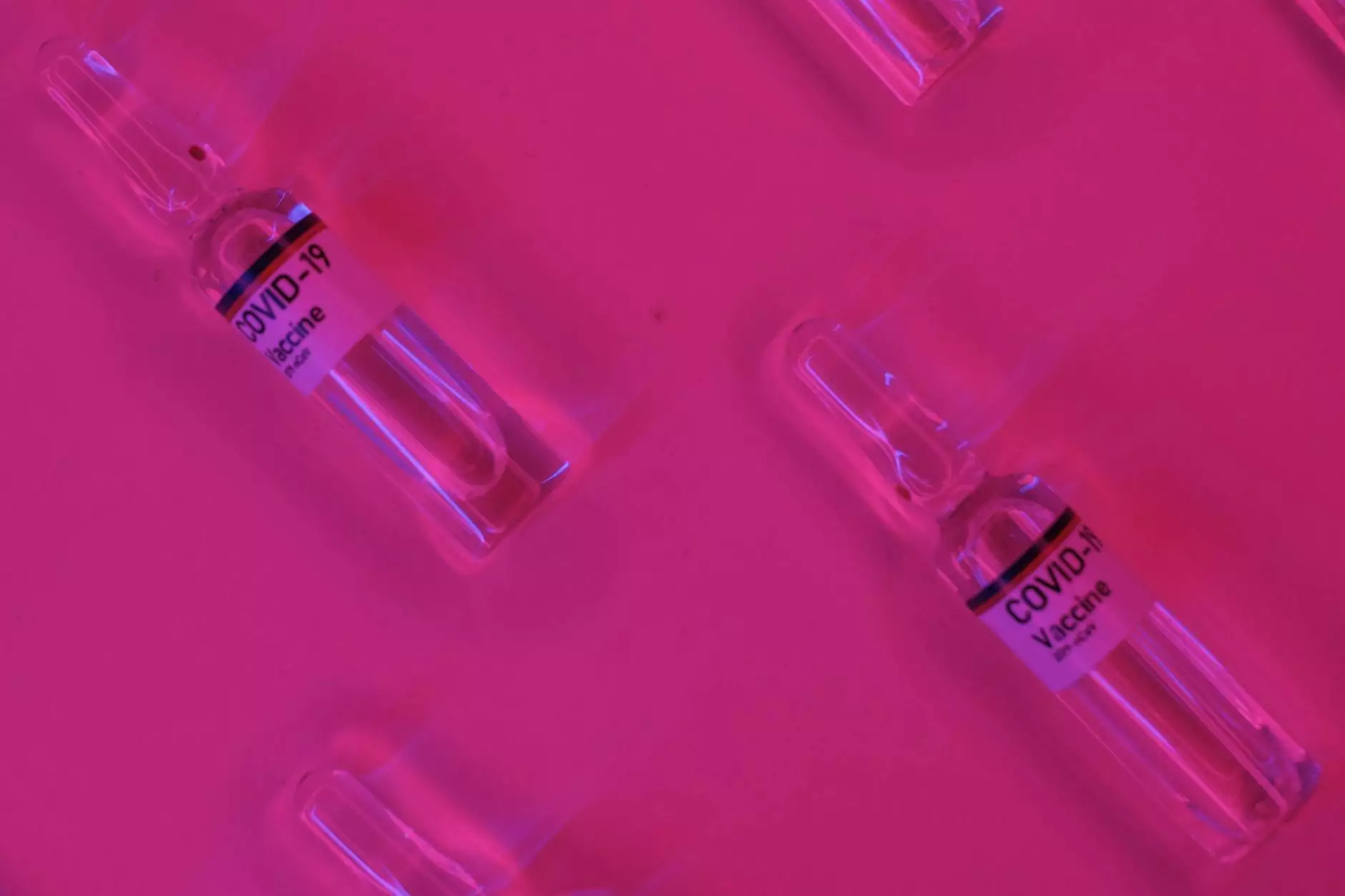
Horse injections are an integral part of equine healthcare, playing a vital role in maintaining the health and performance of these magnificent animals. In this article, we’ll explore the various types of horse injections, their benefits, and important considerations for horse owners and caretakers.
Understanding Horse Injections
Horse injections are used for various medical purposes, including vaccinations, pain relief, and treatment of specific conditions. Understanding the need for these injections is essential for every horse owner.
Types of Horse Injections
There are several types of injections that horse owners should be aware of:
- Vaccinations: These are preventative injections that protect horses from various diseases. Common vaccines include tetanus, EHV (Equine Herpes Virus), and West Nile Virus.
- Steroids: Corticosteroid injections are used to reduce inflammation and pain, often prescribed for joint and soft tissue issues.
- Antibiotics: These are administered to treat infections and may be injected intramuscularly or intravenously depending on the severity of the infection.
- Hormonal Treatments: Injections that control reproductive hormones or treat conditions related to hormonal imbalance.
- Joint Injections: Hyaluronic acid and other substances are injected directly into the joint to relieve pain and improve mobility.
The Importance of Horse Injections
The administration of horse injections is crucial for several reasons:
- Disease Prevention: Vaccinations are key to preventing outbreaks of infectious diseases which can have devastating effects on equine populations.
- Pain Management: Injuries and chronic conditions can impact a horse's performance and quality of life. Injections can help manage pain and facilitate quicker recovery.
- Enhanced Performance: In professional equestrian sports, ensuring that a horse is in top condition often necessitates the use of injections to manage and optimize their physical capabilities.
- Improved Quality of Life: Regular veterinary care, including appropriate injections, supports overall well-being in horses, allowing them to lead healthier lives.
Safe Administration of Horse Injections
Administering injections requires specific skills and knowledge. Here are some key points to ensure safety and efficacy:
- Consult with a Veterinarian: Always consult a qualified veterinarian before administering any injections. They can recommend appropriate types and dosages based on the horse's health, age, and activity level.
- Use Sterile Equipment: To prevent infection, always use sterile syringes and needles. Dispose of used needles safely.
- Proper Injection Techniques: Understanding the right sites for injection (intravenous vs. intramuscular) is essential. Improper technique can lead to complications.
- Observe for Reactions: After an injection, monitor the horse for any signs of adverse reactions, such as swelling, fever, or lameness, and report them to your veterinarian.
Common Myths About Horse Injections
Misconceptions about horse injections can lead to misinformation. Here are a few common myths debunked:
- Myth: Vaccines are unnecessary if a horse appears healthy. Fact: Even healthy horses can carry and transmit diseases, making vaccinations crucial for herd health.
- Myth: Corticosteroids are always harmful. Fact: While misuse can have negative effects, when administered correctly and for the right indications, corticosteroids can significantly improve a horse’s condition.
- Myth: All injections hurt horses. Fact: While injections can cause discomfort, proper technique and administration can minimize pain.
Developing an Injection Schedule
Creating a regular schedule for administering horse injections is crucial for their health. Work with your veterinarian to establish a timeline based on the specific needs of your horse, which may include:
- Annual Vaccinations: Review and administer necessary vaccinations at least once a year.
- Regular Pain Management: For horses with chronic pain, establish a routine for administering pain-relief injections.
- Post-Injury Treatments: Adjust your schedule based on recovery needs following injuries or surgeries.
Conclusion: The Path to Optimal Equine Health
Horse injections are a vital tool in the arsenal of any horse owner or caretaker. By understanding the various types, benefits, and administration methods of these injections, you can significantly contribute to the well-being and performance of your equine partner. Always prioritize safety, consult veterinarians, and stay informed about the best practices in equine healthcare.
For more information and resources, visit racehorsemedcare.com to ensure you provide the best possible care for your horse.
Further Reading and Resources
- Vaccination Guide for Horses
- Pain Management in Horses
- Joint Health and Maintenance