Understanding Wheat Storage Temperature: A Comprehensive Guide to Optimal Conditions
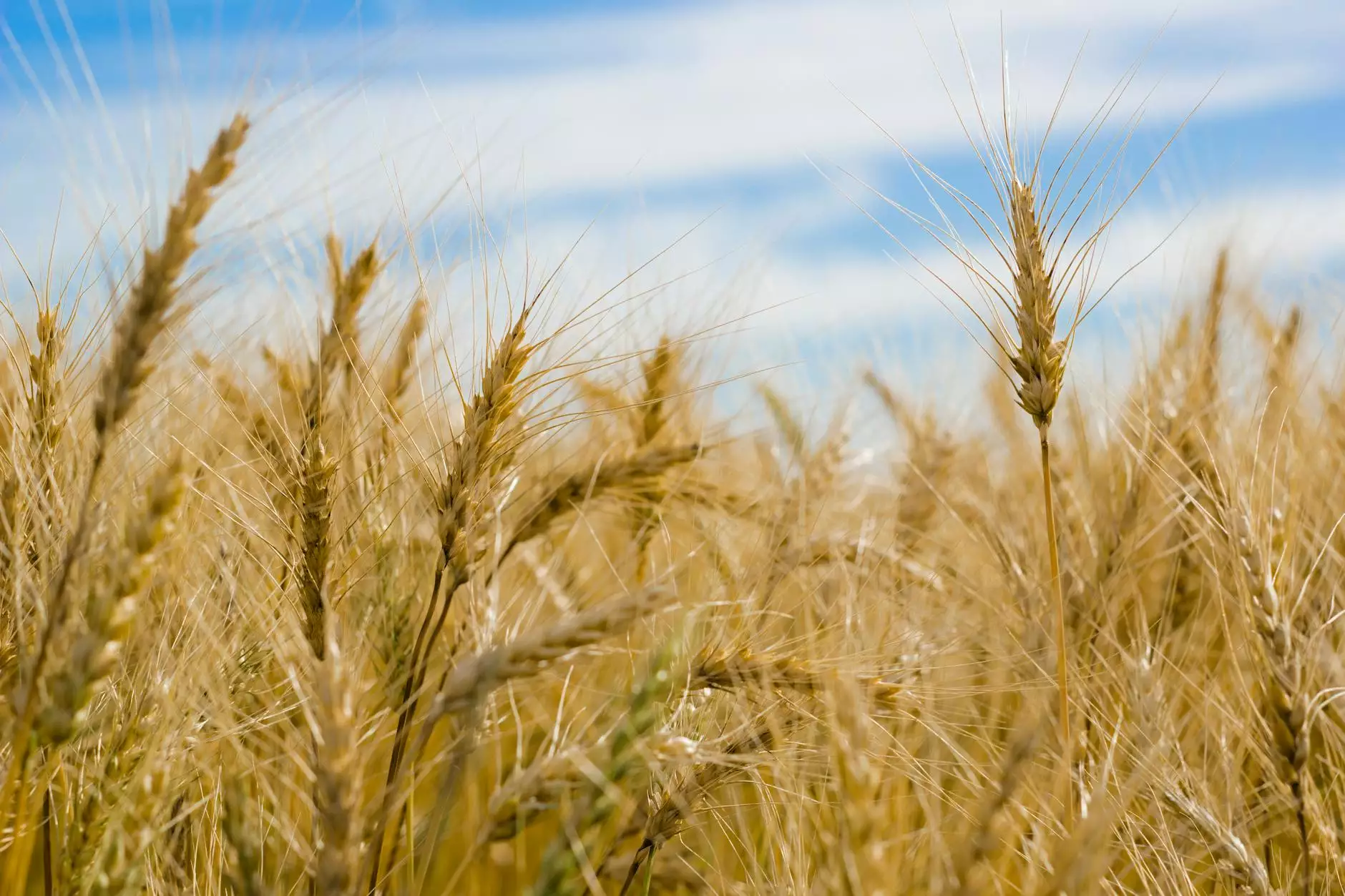
In the agricultural sector, understanding the intricacies of wheat storage temperature is vital for preserving the quality and longevity of harvested grain. Wheat, being one of the most important staple foods globally, necessitates careful handling and storage. This article delves into the best practices for maintaining the ideal storage temperature for wheat, ensuring maximum preservation of nutrients and minimizing spoilage.
Why Wheat Temperature Matters
Temperature can significantly affect the quality of stored wheat. Proper management of wheat storage temperature is key to preventing problems such as spoilage, pests, and mold. When stored at inappropriate temperatures, wheat can lose its viability and become unsuitable for consumption or further processing.
The Chemistry of Wheat
At a molecular level, the grain undergoes various biochemical changes during storage. The ideal temperature range for wheat storage is typically between 30°F and 50°F (-1°C to 10°C). Keeping wheat within this range helps to slow down the respiration rate of the grains, thus minimizing moisture loss and preserving germination potential.
Key Factors Influencing Wheat Storage Temperature
1. Moisture Content
The moisture content of wheat greatly influences its storage temperature requirements. Ideally, wheat should be stored at a moisture content of 12% or lower. Higher moisture levels can elevate the temperature of the grain and promote mold growth and pest infestations.
2. Environmental Conditions
External environmental conditions, such as the ambient temperature and humidity, drastically affect the storage environment. With seasonal variations, it's essential to monitor these factors closely to adjust the storage strategies accordingly.
3. Type of Storage Facility
The design and specifications of your storage facility play a crucial role in temperature control. Structures such as silos, warehouses, and grain bins should be equipped with adequate insulation, ventilation, and climate control systems to maintain optimal wheat storage temperatures.
Strategies for Maintaining Ideal Wheat Storage Temperatures
1. Insulation and Ventilation
Proper insulation reduces the effects of fluctuations in external temperatures, while ventilation helps balance humidity levels. Ensuring that your storage facility has sufficient airflow can help remove excess heat generated by the respiration of the wheat grains.
2. Temperature Monitoring Systems
Investing in temperature monitoring systems can enhance your ability to maintain stable conditions. With modern technology, you can track temperature and humidity levels in real-time, allowing for quick adjustments and intervention when necessary.
3. Regular Inspections
Conducting regular inspections of your storage facilities can help catch and address fluctuations in temperature before they become problematic. By looking out for signs of spoilage, pests, or moisture problems, you can maintain a healthy storage environment for your wheat.
Common Challenges in Wheat Storage
1. Pest Infestation
Pests can thrive in improper storage conditions. Maintaining the correct wheat storage temperature helps to stave off pests like weevils and other insects that can cause grain loss. Implementing pest control measures, such as traps and barriers, is also important for protecting stored wheat.
2. Fungal Growth
Fungal infestations can proliferate quickly in warm and humid conditions. By controlling temperature and humidity in storage, you can significantly diminish the risk of mold and mycotoxins that compromise wheat safety and quality.
Best Practices for Wheat Storage
Here are some best practices you can implement to optimize wheat storage:
- Maintain a consistent temperature: Regularly check and adjust the storage conditions.
- Control humidity levels: Use dehumidifiers or proper ventilation systems to keep moisture in check.
- Seal any leaks: Ensure that your storage facility is properly sealed against pests and external elements.
- Rotate stock: Use the oldest wheat first to minimize spoilage and maintain quality.
- Train staff: Educate your team on the importance of maintaining optimal storage conditions.
Conclusion: The Path to Successful Wheat Storage
Understanding and managing wheat storage temperature is paramount to ensuring the highest quality of your grain. By employing effective practices like monitoring temperature, ensuring proper moisture content, and fortifying storage facilities against pests and mold, you can guarantee that your wheat remains in excellent condition for longer. Organizations like TSGC Inc., specializing in Farm Equipment Repair and Farming Equipment, can provide you with essential tools and knowledge for optimal storage solutions.
As you venture into the complexities of grain storage, remember that adequate preparation, continuous monitoring, and proactive management are the cornerstones of success in maintaining wheat quality. In an industry where spoilage can lead to significant losses, prioritizing the ideal storage temperature for wheat makes all the difference.