The Intriguing World of Dollar Fake Notes
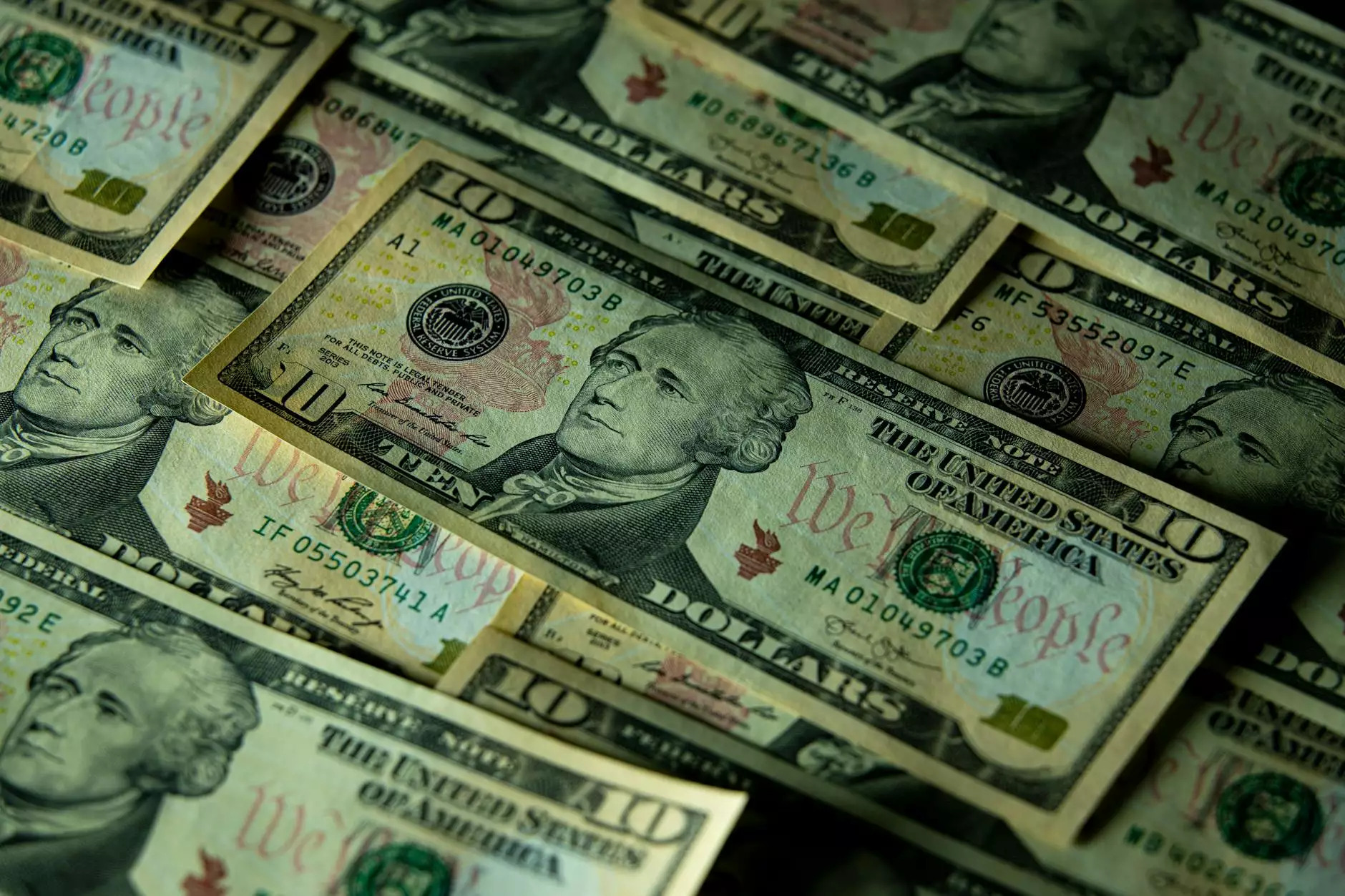
Dollar fake notes have long captured the attention of many, from collectors to those curious about the boundaries of legality and finance. This article delves deep into the multifaceted aspects of dollar fake notes, exploring their history, purpose, implications, and much more. We will discuss how they factor into the broader economic landscape and their role in various scenarios.
Understanding Dollar Fake Notes
When we refer to dollar fake notes, we are speaking about counterfeit currency that is intended to resemble real U.S. dollar bills. The existence of fake notes raises critical discussions related to legality, morality, and economic impact. Counterfeit currency is classified as a severe crime, and it poses significant risks to both the economy and individuals.
The Anatomy of Counterfeit Currency
Counterfeit notes can be produced using a variety of methods. Understanding how they are created helps elucidate their place in the market and their detection.
- Printing Techniques: Counterfeiters have historically utilized multiple printing techniques, such as offset printing and digital printing, to produce fake notes that can closely mimic genuine currency.
- Material Choices: Genuine U.S. currency is printed on a special paper that has a unique feel. Counterfeiters may attempt to replicate this with varying degrees of success.
- Security Features: Real U.S. notes incorporate security features such as watermarks, color-shifting ink, and microprinting that are often absent in counterfeit versions.
The Market for Dollar Fake Notes
Despite the illegality of dollar fake notes, there exists a market for them. This market can be both fascinating and troubling, as it reflects larger societal issues, including economic disparities and criminal enterprises.
Reasons Behind the Demand
Several factors contribute to the demand for counterfeit notes:
- Economic Hardship: In challenging economic circumstances, some individuals may resort to counterfeiting as a desperate measure to alleviate financial pressures.
- Collection and Hobbyist Interest: Oddly enough, some people collect fake currency for artistic or historical value, as well as for their fascination with the mechanics of counterfeiting.
- Criminal Enterprises: Organized crime syndicates may utilize fake currency as a way to finance their activities, making the market for counterfeit notes a significant concern.
The Legal Implications of Dollar Fake Notes
Producing, distributing, or even possessing dollar fake notes carries serious legal consequences in the United States and most countries around the world. Understanding these implications can help instill a sense of caution in individuals regarding counterfeit currency.
Legal Framework
The U.S. Secret Service, a division of the Department of Homeland Security, is responsible for investigating counterfeiting cases. Some key legal points include:
- Counterfeit Penalties: The penalties for counterfeiting can range from hefty fines to extensive prison sentences, depending on the scale of the operation.
- Possessing Counterfeit Bills: Even possession of counterfeit notes can lead to arrest and prosecution.
- Restitution: Offenders may be required to make restitution to victims, including businesses that unknowingly accepted counterfeit currency.
How to Detect Fake Dollar Notes
Recognizing dollar fake notes is crucial for consumers and businesses alike to avoid losses. Here are some tips and techniques:
Visual Inspection
Examine the bill closely. Genuine currency has a series of intricate design elements that can be difficult to replicate. Look for:
- Watermark: A clear portrait watermark visible from both sides.
- Color-Shifting Ink: The lower right corner shifts when viewed from different angles.
- Fine Print: Text that is clear and well-defined. Blurriness can indicate a fake.
Physical Inspection
Feel the texture of the bill. Genuine notes have a distinct texture that is almost rough, owing to the linen and cotton fibers used in their composition.
Use of Technology
Many businesses now use counterfeit detection machines that check various features of bills, including UV light features and magnetic ink properties.
The Impact of Dollar Fake Notes on the Economy
The proliferation of counterfeit currency can have a significant impact on the economy, contributing to inflation and undermining trust in the monetary system.
Inflationary Pressures
When counterfeit currency enters circulation, it can artificially inflate the amount of money in an economy. This oversaturation can degrade the value of genuine currency.
Loss of Trust
The presence of fake notes can erode public confidence in a nation’s monetary system, leading consumers to question the reliability of their currency. This lack of trust can discourage spending and investment, further straining the economy.
Conclusion
In summary, while dollar fake notes may captivate the imagination and introduce exciting discussions about currency, their implications are serious and far-reaching. Understanding the mechanisms of counterfeit production, the legal ramifications, and the potential impact on the economy can equip individuals and businesses to navigate this complex issue more effectively.
As we continue to evolve in a digital world where currency is increasingly virtual, the relevance of discussing dollar fake notes persists. Institutions, businesses, and individuals alike must remain vigilant and informed to guard against the threats posed by counterfeit currency.