Laparoscopic Unilateral Salpingo Oophorectomy: Understanding the Procedure, Benefits, and Recovery
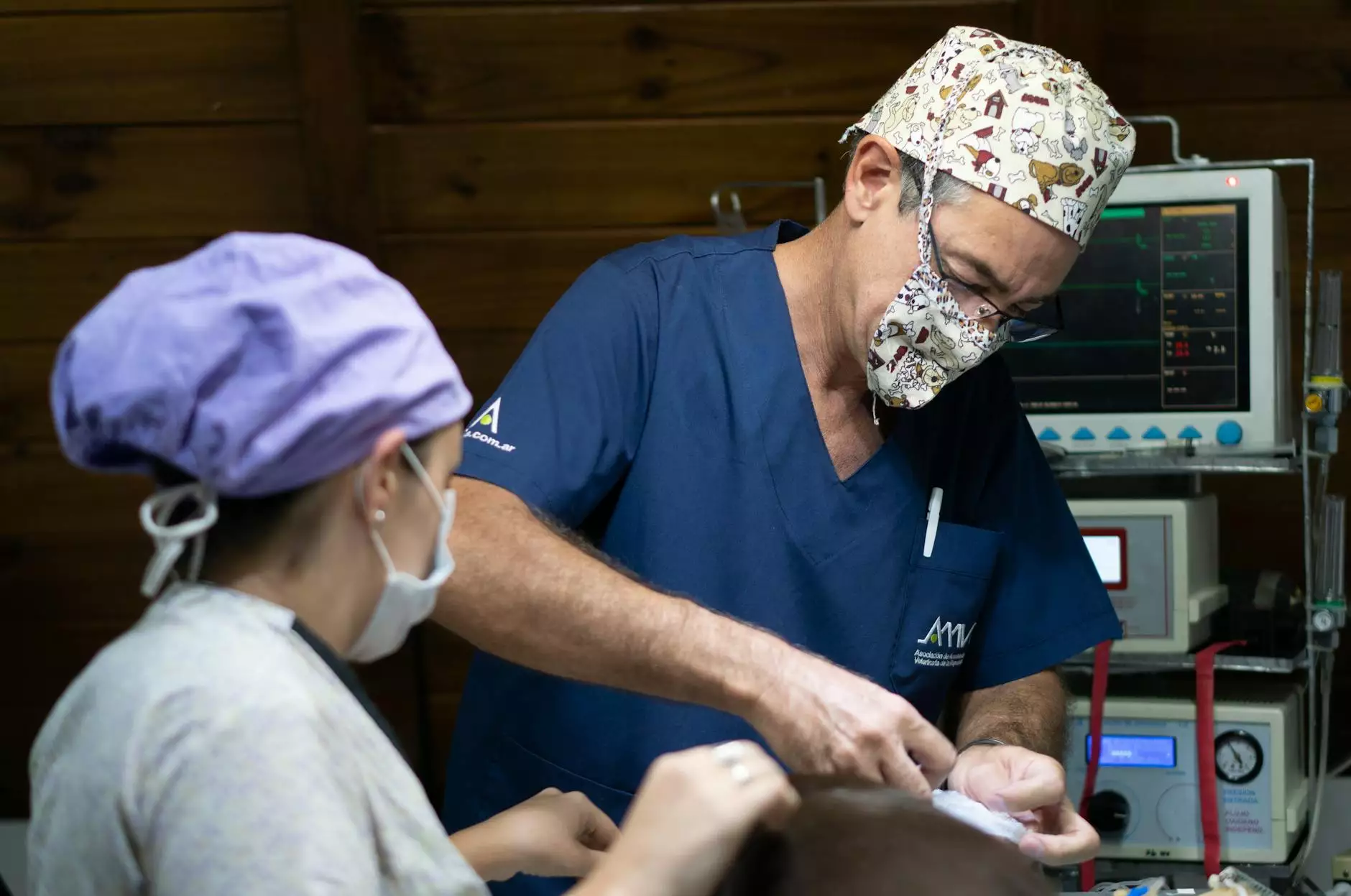
The term "laparoscopic unilateral salpingo oophorectomy" refers to a specialized surgical technique designed to address various gynecological issues. This minimally invasive surgery involves the removal of one ovary along with its corresponding fallopian tube. In recent years, this procedure has gained significant traction due to its efficiency and benefits compared to traditional open surgeries. In this article, we will delve deeply into what this procedure entails, its indications, benefits, risks, recovery process, and important considerations for patients.
What is Laparoscopic Surgery?
Laparoscopic surgery, often referred to as keyhole surgery, is a modern surgical method that allows surgeons to perform operations through small incisions, typically 0.5-1.5 cm in size. During a laparoscopic procedure, a laparoscope—a thin, lighted tube equipped with a camera—is inserted into the abdominal cavity, providing the surgeon with a clear view of the organs. This innovative technique offers several advantages over traditional open surgery, including:
- Reduced Pain: Smaller incisions mean less tissue damage, resulting in decreased postoperative pain.
- Shorter Hospital Stay: Patients typically experience quicker recoveries and may go home sooner.
- Minimal Scarring: Smaller incisions lead to less noticeable scars.
- Faster Recovery Time: Patients can return to their daily activities much sooner than with open surgery.
Indications for Laparoscopic Unilateral Salpingo Oophorectomy
The laparoscopic unilateral salpingo oophorectomy is indicated for a variety of medical conditions, including:
- Ovarian Cysts: These fluid-filled sacs can cause discomfort and may require removal if they are large or symptomatic.
- Ovarian Tumors: Both benign and malignant tumors can necessitate the removal of the affected ovary and fallopian tube.
- Endometriosis: This condition can cause severe pain and complications, leading to the decision to perform a salpingo oophorectomy.
- Ectopic Pregnancy: When a fertilized egg implants outside the uterus, it can endanger the woman's health, necessitating surgical intervention.
- Pelvic Inflammatory Disease (PID): Chronic infections can damage reproductive organs, making surgery a possible treatment option.
Procedure Overview
The laparoscopic unilateral salpingo oophorectomy is typically performed under general anesthesia. Here’s a step-by-step overview of the procedure:
- Anesthesia: The patient is administered general anesthesia to ensure comfort during the operation.
- Incision: Several small incisions (usually 3-4) are made in the abdomen to allow the insertion of the laparoscope and surgical instruments.
- CO2 Insufflation: Carbon dioxide gas is introduced into the abdominal cavity to create space and improve visibility.
- Identification of Anatomy: The laparoscope provides a video feed, allowing the surgeon to see the ovaries and fallopian tubes clearly.
- Removal: The surgeon carefully detaches the affected ovary and fallopian tube, removing them through one of the incisions.
- Closure: The incisions are sutured or taped shut, and the CO2 is released.
Benefits of Laparoscopic Unilateral Salpingo Oophorectomy
Patients considering this surgical option should be aware of the numerous benefits associated with laparoscopic techniques:
- Fewer Complications: The minimally invasive nature of the surgery lowers the risk of complications such as infection and excessive bleeding.
- Shorter Recovery Timelines: Many patients resume normal activities within a few days to weeks, compared to 4-6 weeks for open surgery.
- Less Postoperative Pain: Studies show that patients experience less pain and require fewer pain medications post-surgery.
- Improved Cosmetic Outcomes: Smaller incisions lead to less visible scarring, which is an important consideration for many patients.
Risks and Considerations
As with any surgical procedure, there are inherent risks involved. While laparoscopic surgery has a good safety record, patients should be aware of potential complications, which may include:
- Infection: Although rare, infections can occur at the incision sites or within the abdominal cavity.
- Bleeding: Uncontrolled bleeding may necessitate conversion to open surgery.
- Injury to Nearby Organs: There is a risk of injury to the bladder, bowel, or surrounding structures.
- Anesthesia Risks: Reactions to anesthesia can occur, though they are uncommon.
It is essential for patients to discuss all concerns and medical history with their healthcare provider to determine if laparoscopic unilateral salpingo oophorectomy is the appropriate course of action.
Postoperative Care and Recovery
After the procedure, the recovery process is typically straightforward, but there are still important guidelines to follow:
- Rest: It is advisable to take it easy for the first few days post-surgery, allowing the body to heal.
- Pain Management: Prescription or over-the-counter pain medications can help manage discomfort.
- Follow-Up Appointments: Patients should adhere to follow-up visits to monitor recovery and detect any potential complications early.
- Gradual Return to Activities: Most patients can return to normal activities within a week, but strenuous activities should be avoided for several weeks.
Conclusion: Empowering Patient Choices
Laparoscopic unilateral salpingo oophorectomy is a significant advancement in surgical techniques, offering a safer, more efficient method for treating various gynecological conditions. As with any medical decision, it’s crucial for patients to have detailed discussions with their healthcare providers about the benefits, risks, and expectations associated with the procedure. By understanding what to expect, patients can make informed choices that align with their health goals.
Remember: Knowledge is power when it comes to your health. If you’re considering a laparoscopic unilateral salpingo oophorectomy, consult with experienced professionals like those at drseckin.com to ensure you receive the best possible care tailored to your unique situation.